

Meet the Lab Director
Learn more about the founder and director of the R₃ Lab, Dr. Donte Bernard, and the work that guides the lab's mission.


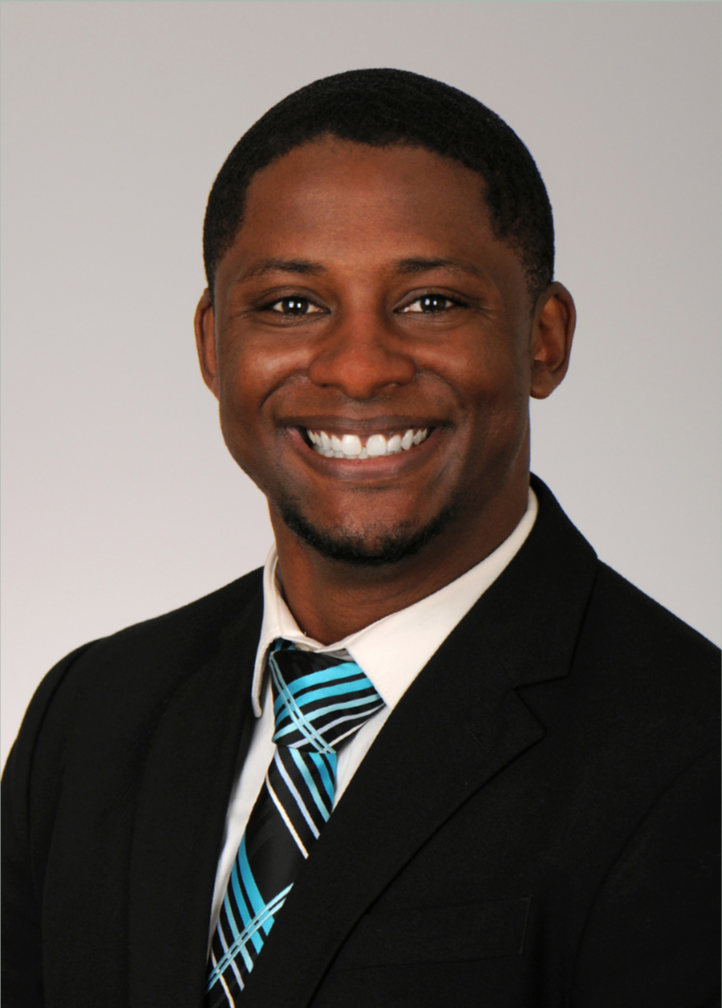
Dr. Donte Bernard
Licensed Clinical Psychologist
Assistant Professor, University of Missouri - Columbia
About Dr. Bernard
Dr. Donte Bernard (he/him) is the director of the R₃ research lab, licensed clinical psychologist, and Assistant Professor in the Department of Psychological Sciences at the University of Missouri-Columbia. Dr. Bernard earned his PhD in Clinical Psychology with a child and family emphasis at the University of North Carolina at Chapel Hill and completed an APA-accredited internship at the University of Miami Mailman Center for Child Development.
Dr. Donte Bernard’s primary research interests focus on the profound role of racism on the mental health of Black youth and families.

Research Program
Investigating the Impact of Racism on Mental Health and Development
Anchored within cultural ecological models recognizing the importance of risk and resilience at the individual and contextual level, his program of research aims to clarify how and why racism-related stress and trauma compromises the mental and behavioral health of Black youth across sensitive developmental periods.
Equally important within his research agenda is the examination of culturally relevant protective factors that influence resilience against the traumatic implications of racism as Black youth transition through adolescence and emerging adulthood.
Ultimately, the goal of Dr. Bernard’s research is to mitigate racial disparities in mental health through informing policy and intervention development targeting the reduction of racism and its related health consequences.

Impostor Phenomenon | Racism-Related Stress & Trauma | Black Youth & Families | Racial Identity | Racial Socialization | Prevention & Intervention


Community Engagement & Collaboration
Connecting Research and Community
To accomplish this goal, Dr. Bernard takes a transdisciplinary approach to collaborate with academic and community partners alike who are committed to improving the lives and psychological well-being of Black youth and other historically marginalized communities.

By integrating research, mentorship, and community engagement, Dr. Bernard aims to prepare the next generation of researchers and clinicians to address mental health disparities and promote positive outcomes for historically marginalized communities.